Aluminum Hypophosphite for Polymer Applications: Selection Considerations

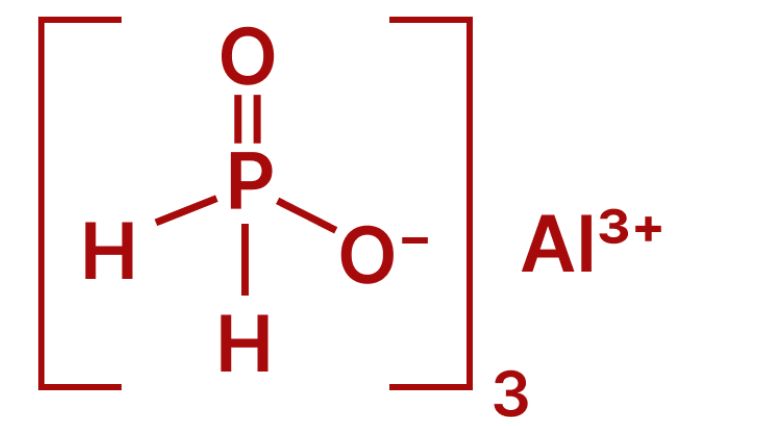
For polymer compounders and manufacturers, choosing the right flame-retardant additive is not simply about selecting a material with flame-retardant properties. The additive needs to fit the polymer system, processing conditions, formulation requirements, and targeted performance characteristics. This is where aluminum hypophosphite can be considered as part of a carefully designed polymer formulation.
For technical teams evaluating aluminum hypophosphite for polymer applications, understanding the key selection factors can help narrow down suitable grades and identify the testing required before moving toward commercial production.
What Is Aluminum Hypophosphite?
Aluminum hypophosphite is an inorganic phosphorus-containing compound that can be used in flame-retardant polymer formulations. Its relevance to polymer applications comes from the role phosphorus-containing materials can play in flame-retardant systems.
However, the performance of any flame-retardant additive should be considered within the complete formulation rather than in isolation. Resin type, additive combination, concentration, processing conditions, and the required fire-performance standard can all influence the final behavior of a polymer compound.
For this reason, selecting aluminum hypophosphite for polymers should begin with the requirements of the specific application rather than relying on a one-size-fits-all approach.
Key Selection Considerations for Polymer Applications
Polymer Compatibility
The first consideration is the polymer or resin system in which aluminum hypophosphite will be incorporated. Different polymers have different processing conditions and formulation requirements.
Published studies have evaluated aluminum hypophosphite in polymer systems, including polyamides, polyesters, and styrenic polymers; however, results obtained in one resin system should not be assumed to transfer directly to another.
Before selecting a material, compounders should evaluate its compatibility with the target resin and other components in the formulation. The objective is to achieve appropriate incorporation and dispersion without creating undesirable effects on processing or the finished compound.
Thermal Stability and Processing Conditions
Polymer processing can involve elevated temperatures, particularly during extrusion and injection molding. Therefore, the thermal behavior of the selected aluminum hypophosphite grade, including its decomposition behavior, should be considered alongside the processing temperature and residence time of the target polymer.
For aluminum hypophosphite flame-retardant formulations, technical teams should review available product data and assess whether the selected material is appropriate for the intended processing conditions. Laboratory or formulation trials can help establish actual behavior under the manufacturer’s specific processing conditions.
Because thermal decomposition of aluminum hypophosphite can generate phosphine (PH₃), processors should review the supplier SDS and grade-specific thermal data and establish appropriate processing controls before scale-up.
Particle Size and Dispersion
Particle characteristics can influence how an inorganic additive is incorporated into a polymer matrix. Consistent dispersion is an important consideration when developing a polymer compound because poorly dispersed additives can affect formulation uniformity and potentially influence finished-part properties.
When evaluating aluminum hypophosphite powder, manufacturers should therefore review available information on particle characteristics, such as particle-size distribution, rather than relying only on a single nominal particle-size value, and consider how the material behaves within their specific compounding process.
Flame-Retardant Performance
Flame-retardant performance should be evaluated against the requirements of the intended application and relevant testing standards.
Rather than assuming that a particular additive concentration will produce a specific result, formulation developers should conduct application-specific testing. Depending on the end use, this may include UL 94 classification testing, limiting oxygen index (LOI), cone calorimetry, glow-wire testing, or other application-relevant methods.
The required performance can vary considerably between applications, so test results should be interpreted in the context of the complete polymer formulation. For UL 94 in particular, specimen thickness and the tested formulation should be stated when comparing results.
Effect on Overall Polymer Properties
Flame retardancy is only one part of polymer compound development. The selected additive should also be assessed for its potential influence on other requirements of the finished material. Flame-retardant improvement can involve trade-offs in mechanical properties, so tensile, impact, or other application-critical properties should be verified at the intended additive loading.
Depending on the application, development teams may need to consider:
- Mechanical properties
- Electrical properties
- Processing behavior
- Surface appearance
- Dispersion
- Long-term application requirements
This is particularly important for engineering plastics, where multiple performance requirements may need to be satisfied simultaneously.
Applications and Formulation Considerations
The suitability of aluminum hypophosphite for plastics depends on the polymer system and the formulation objectives. It should therefore be evaluated as part of the complete compound rather than treated as an isolated performance solution.
For Neemco’s customers and technical teams, a practical evaluation can begin by defining the resin, processing method, required flame-retardant performance, and other critical properties of the finished product. The selected aluminum hypophosphite can then be assessed through controlled formulation trials.
Factors such as additive dispersion, processing behavior, required loading, and interactions with other formulation components should be validated using the relevant technical and application data, including potential synergistic or antagonistic interactions with other flame retardants, fillers, reinforcements, and stabilizers.
How to Select the Right Aluminum Hypophosphite
A structured selection process can make material evaluation more effective. Before finalizing an aluminum hypophosphite polymer additive, consider:
- Identify the polymer system and its processing requirements.
- Define the required fire-performance target and applicable testing method.
- Review technical specifications for the available material.
- Evaluate particle characteristics and dispersion within the intended formulation.
- Assess processing behavior under actual compounding conditions.
- Check the effect on other required properties of the finished polymer.
- Conduct formulation-specific testing before commercial production.
For technical buyers and polymer manufacturers, product documentation is particularly important at this stage. Specifications and test data should be reviewed against the requirements of the intended application rather than selecting a material solely on the basis of a generic product description.
Frequently Asked Questions
Q1. What is aluminum hypophosphite used for in polymers?
Answer: Aluminum hypophosphite can be used as a phosphorus-containing component in flame-retardant polymer formulations. Its suitability depends on the polymer, formulation, processing conditions, and required performance.
Q2. What factors should be considered when selecting aluminum hypophosphite?
Answer: Key factors include polymer compatibility, thermal behavior, particle characteristics, dispersion, processing conditions, flame-retardant requirements, and the effect of the additive on other material properties.
Q3. Is aluminum hypophosphite suitable for every polymer?
Answer: No single additive should be assumed to be suitable for every polymer or formulation. Compatibility and performance should be evaluated for the specific resin system and application.
Q4. Why are thermal stability and dispersion important?
Answer: Thermal behavior needs to be considered in relation to the polymer’s processing conditions, while good dispersion can be important for achieving consistent incorporation of an inorganic additive throughout the polymer matrix.